
Leadership

Philip Felgner, PhD
Director, Adeline Yen Mah Vaccine Center; Professor, Physiology and Biophysics, School of Medicine
Email | Website | Publications
Philip Felgner, PhD, serves as the Director of the Adeline Yen Mah Vaccine Center and the Protein Microarray Laboratory and Training Facility. His current research aims to identify the appropriate antigens for developing safe and effective vaccines.
Gene therapies have long been the holy grail of medicine as they have the potential to treat most human diseases. The primary barrier to the practice of gene therapies has been delivery of genetic information to the interior of target cells in vivo. This barrier is now disappearing, in part because of dramatic advances made by lipid-based systems for delivery of nucleic acid-based drugs.
Today, the most widely used mRNA/LNP vaccine for COVID is a nucleic acid vaccine based on foundational technology invented by Felgner in 1987. In addition to providing a spectacular vaccine platform that saved lives during the COVID pandemic, mRNA nanoparticle science has many other uses in medicine. There are dozens of clinical trials underway that develop vaccines to prevent and treat infectious diseases and cancer. Investigators have discovered how to treat sickle cell disease, to reverse and prevent cell degeneration, and to deliver CRISPR/Cas9 and correct genetic disorders. Now, our researchers are working relentlessly to develop a method of guiding this therapy to specific cells in need of correction. The new approaches being pursued at UC Irvine, and their realization, will revolutionize the treatment of genetic disorders affecting the immune system and other inherited disorders.
Huw Davies, PhD
Assistant Director, Adeline Yen Mah Vaccine Center; Professor, Physiology and Biophysics, School of Medicine
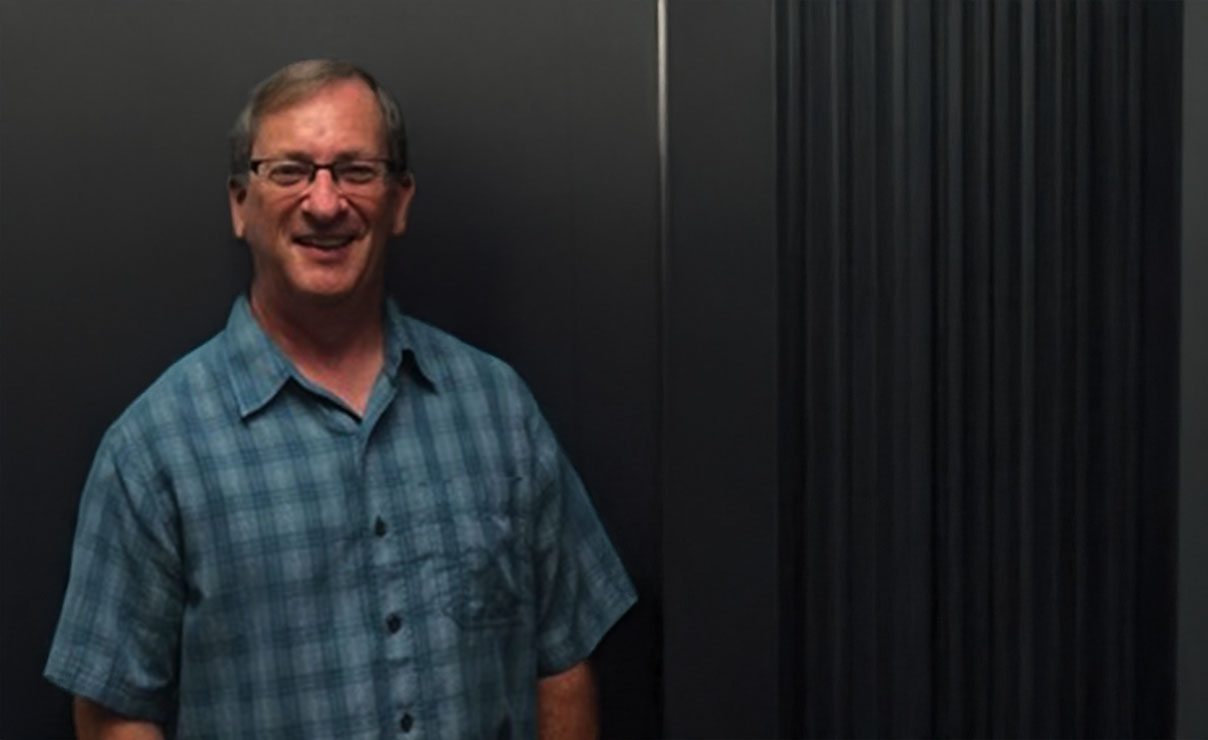
Dr. D. Huw Davies is an immunologist and Associate Professor in Residence in the Department of Physiology & Biophysics at UC Irvine's School of Medicine, specializing in vaccine development and adjuvant research. He earned his Ph.D. in Zoology from University College London in 1984, followed by postdoctoral training at Texas A&M University (1984-1988) and the Imperial Cancer Research Fund (1988-1991).
Dr. Davies joined the faculty at King's College London in 1991, advancing from Lecturer to Senior Lecturer (1998-2003), where he taught immunology and conducted pioneering research on HPV vaccines. He came to UCI on sabbatical in 2003 and has remained at the institution since, progressing through research scientist positions before his current faculty appointment in 2019.
His laboratory focuses on developing next-generation influenza vaccines that overcome the limitations of current seasonal vaccines through innovative approaches including multivalent formulations, nanoparticle delivery systems, combination adjuvants (TLR agonist mixtures), and emulsions. His research aims to enhance both the breadth and magnitude of immune responses to achieve broader protection against diverse viral strains. Dr. Davies employs cutting-edge techniques including serological profiling via protein microarrays, cytokine profiling, neutralization assays, and preclinical challenge models.
As Principal Investigator on multiple NIH/NIAID and DTRA grants, Dr. Davies leads projects characterizing novel adjuvants, defining molecular mechanisms of combination adjuvants through systems immunology approaches, and developing programmable-release vaccine platforms. His research portfolio extends to developing broadly reactive vaccines against emerging threats including SARS-CoV-2, Ebola virus, poxviruses, and Q fever, with emphasis on non-reactogenic formulations and single-dose nanoparticle-based strategies.
Dr. Davies is affiliated with UCI's Vaccine Research & Development Center, Institute for Immunology, and Center for Virus Research, where he continues to advance the field of vaccinology through translational research bridging basic immunology and clinical application.